With the emergence of artificial intelligence (AI) technologies, the field of medical imaging has undergone a profound transformation.
AI systems are increasingly being applied to analyze medical images such as X-rays, CT scans, MRIs, and ultrasounds, achieving levels of accuracy and efficiency previously thought unattainable.
This technological revolution promises to dramatically enhance diagnostic capabilities, strengthen patient care, and streamline healthcare delivery.
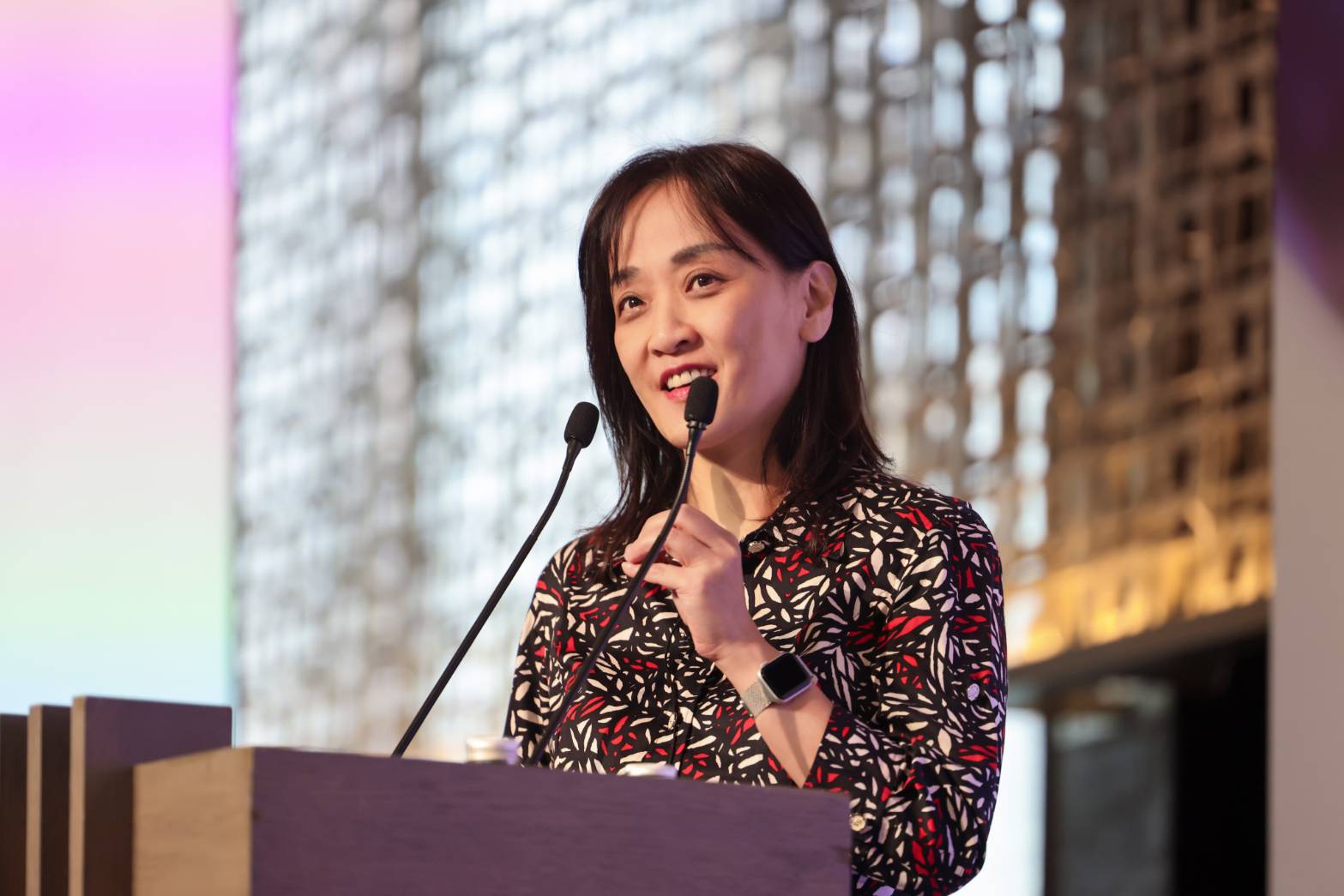
Joseph Shen, Vice President of Medical Affairs, Beyond BioMedical Inc.

The Power of Artificial Intelligence in Image Analysis
At the heart of AI’s impact on medical imaging lies its ability to process vast amounts of data and identify intricate patterns that may escape human observation.
Particularly, deep learning–based algorithms can be trained on large-scale medical image datasets to learn complex visual representations associated with various diseases and abnormal tissue structures.
Through this learning process, AI systems acquire the ability to distinguish subtle differences between healthy and pathological tissues, and to apply this knowledge to new medical images—detecting potential abnormalities with remarkable precision.
Early Detection and Improved Diagnosis
One of the most promising applications of AI in medical imaging is its potential for early disease detection.
AI systems can analyze images with exceptional sensitivity, identifying subtle indicators or biomarkers that may signal the presence of disease even before clinical symptoms appear.
For example, AI algorithms have demonstrated outstanding performance in detecting early signs of breast cancer, lung cancer, and brain tumors from mammography, CT, and MRI scans.
This early detection capability allows for timely intervention and treatment, significantly improving patient outcomes.
Moreover, AI systems can assist radiologists and other healthcare professionals by providing second opinions or highlighting areas of concern within medical images.
This collaborative approach leverages both human expertise and AI-driven precision, enhancing diagnostic accuracy and reducing the likelihood of error.
Streamlining Workflows and Enhancing Efficiency
Beyond diagnostics, AI plays a vital role in optimizing healthcare workflows and improving operational efficiency.
AI algorithms can automate labor-intensive tasks such as image segmentation, which involves separating different anatomical structures or tissues within an image.
This automation saves radiologists and technicians substantial time, allowing them to focus on more complex cases and thereby increase overall productivity.
In addition, AI systems can prioritize and categorize medical images based on urgency, ensuring that critical cases receive immediate attention and prompt medical intervention.
Challenges and Ethical Considerations
Despite its vast potential, the integration of AI into medical imaging also presents several challenges and ethical concerns.
A key issue lies in the need for robust and diverse training datasets to ensure that AI algorithms perform accurately and fairly across different populations and demographic groups.
Furthermore, matters of data privacy, security, and patient consent must be handled with the utmost care to maintain trust and protect sensitive health information.
Comprehensive regulatory frameworks and ethical guidelines are essential to ensure accountability and safeguard patient rights in the deployment of AI technologies within healthcare systems.
Equally important is the need for continuous collaboration among AI researchers, healthcare professionals, and regulatory authorities to establish clear standards and protocols for validation, testing, and monitoring of AI systems in clinical environments.
The Future of AI in Medical Imaging
Despite ongoing challenges, the future of AI in medical imaging remains rich with exciting possibilities.
As AI technologies continue to evolve and mature, their applications will expand beyond current boundaries.
In the near future, AI systems may integrate data from multiple imaging modalities—such as fusing CT and MRI scans—to provide more comprehensive and holistic clinical evaluations.
Moreover, AI algorithms could be embedded into real-time imaging systems, offering instantaneous analysis and decision support during medical procedures.
The combination of AI with other emerging technologies, such as genomics and personalized precision medicine, also holds the potential to revolutionize healthcare.
By integrating medical imaging data with genetic and other biological information, AI systems could deliver truly individualized diagnostic and therapeutic strategies tailored to each patient.
Conclusion
The convergence of artificial intelligence and medical imaging marks a pivotal milestone in humanity’s pursuit of improved healthcare outcomes and enhanced patient care.
While challenges persist, the benefits of AI in this domain are undeniable—from early disease detection and diagnostic accuracy to workflow optimization and operational efficiency.
As AI technologies continue to advance, their influence on medical imaging will only grow stronger, ushering in a new era of data-driven, precise, and personalized medicine.
However, it is crucial that these advancements progress under ethical oversight and well-defined regulatory frameworks to ensure patient safety and data integrity.
Ultimately, the true potential of AI in medical imaging lies in its ability to augment the capabilities of healthcare professionals and foster a synergistic partnership between human expertise and machine intelligence—a collaboration that has the power to redefine the future of diagnosis and patient care.